
5 Car Maintenance Tips to Keep Your Vehicle Running Longer

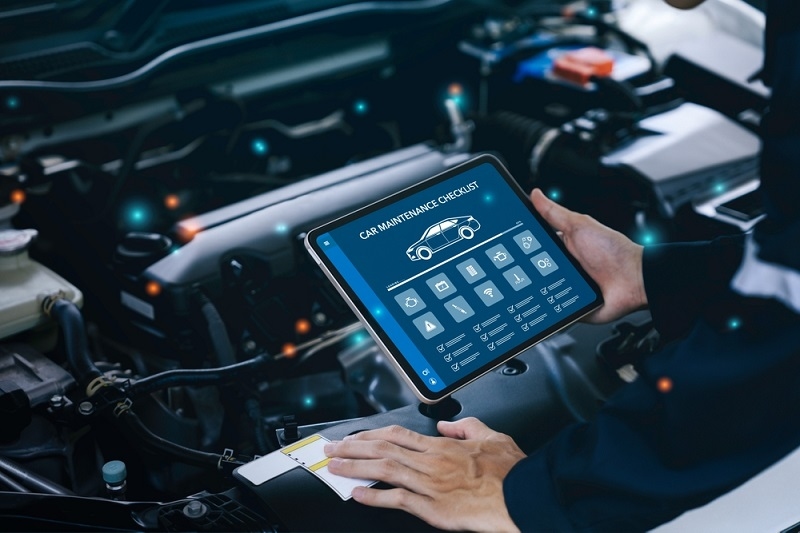
Not only should your car run right now, but also for years to come. Mostly, the lifetime and performance of a car depend on regular maintenance. It is practically impossible to overestimate the necessity of regular inspections and maintenance regarding preventing expensive repairs and guaranteeing road safety.
Regular car maintenance helps drivers to increase dependability and efficiency even as they extend the lifetime of their vehicles. Neglecting important parts including the engine, tires, and filters could result in unexpected problems and worse performance since vehicles are complex machinery. Following these car maintenance guidelines helps you to save your investment and guarantees better driving conditions. Apart from savings, proper maintenance contributes to making a road trip safer and more fun.
1. Correct Oil Changes for Engine Condition
Regularly changing your engine oil is among the most fundamental, required auto maintenance chores. Your car runs on oil; it lubricates engine components to cut friction and halt overheating. Breakdown or pollution with trash and dirt reduces the capacity of engine oil to protect your engine over time.
Ignoring routine oil changes can lead to increased wear and tear, which could cause major engine damage and costly repairs. Depending on the kind and model of your car, manufacturers advise regular oil changes—usually every 3,000 to 7,000 miles—dependent on best engine performance.
Replacing the oil filter during these adjustments is similarly important since it collects contaminants that would otherwise flow into the engine. Drivers wanting to maximise automobile lifetime should give regular maintenance including oil changes first priority. Clean oil reduces contaminants, guarantees maximum performance from your engine, and improves fuel efficiency.
2. Prioritising Tyre Health and Pressure
Your safety and vehicle maintenance schedule depends much on the tires of your automobile as only they come into touch with the road. Good tyre maintenance includes checking air pressure, inspecting for uneven wear, and ensuring sufficient tread depth.
Underinflated tires cause increasing rolling resistance that reduces tire wear and fuel economy. On the other hand, overinflated tires can compromise traction and lead to a blowout. Keeping tires inflated to manufacturer recommended levels improves ride and boosts fuel economy.
Sometimes uneven tyre wear indicates alignment or suspension issues. Frequent rotation of your tires ensures consistent handling and helps to distribute wear evenly, therefore extending the lifetime of the tires. Treading depth is still another vital element of tyre maintenance. Particularly in rainy or cold conditions, bald or excessively worn tires lose their traction and raise the risk of accidents.
Alert drivers about tyre condition will assist their vehicle endure, improve performance and raise safety levels. Regular checks and changes ensure a dependable ride and help to avoid costly issues by means of simple but highly effective automobile maintenance tips.
3. The Worth of Clean Air Filters
Although they seem to be a little component, maintaining engine performance depends much on air filters. The air filter assures that merely clean air combines with fuel for combustion by keeping dust, debris, and rubbish out of the engine. The engine has to work harder when air filters clog over time and airflow reduces.
A dirty air filter can provide low fuel economy, delayed acceleration, even engine misfires. Regular air filter change and inspection help to maintain best engine performance. Usually depending on demand, most manufacturers advise frequently testing air filters and replacing them every 12,000 to 15,000 miles.
Drivers in dusty or dirty environments may require more frequent air filter adjustments. Good air filters reduce emissions, boost fuel economy, and protect internal engine components from damage caused by contaminants. Including air filter checks into your routine vehicle maintenance guarantees dependability and efficiency of your vehicles.
Read More: How to Protect Your Data Online: Cybersecurity Essentials
4. Maintaining Battery Condition for Continual Vehicle Performance
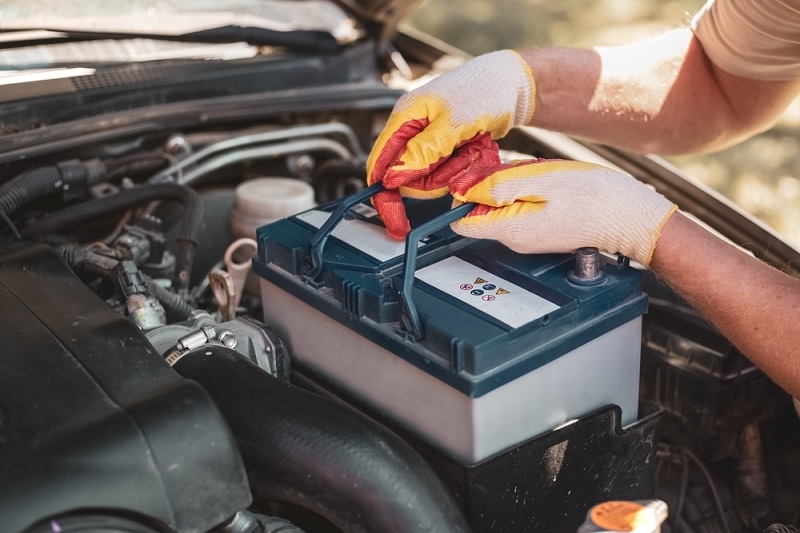
The automobile battery, which provides the energy needed to power critical electrical systems and start the engine, is among the most vital components of every vehicle. Reliable vehicle maintenance largely rely on providing battery care top attention since disregarding battery maintenance can lead to unscheduled breakdowns and costly repairs.
Maintaining the finest shape of your car battery depends on regular inspections. Over time, dirt and rust can accumulate on battery contacts, therefore blocking the flow of electricity. One can avoid this collection and ensure a continuous electrical connection by washing the terminals with a baking soda and water solution. Furthermore preventing vibrations that could damage the internal components is tightly locking the battery in its tray.
Monitoring the battery's charge is also another essential part of maintenance. A partially charged battery can find it challenging especially in strong storms. Regular voltage testing of your battery guarantees its performance. Either changing one or recharging the battery will help to prevent road stranding.
Both extremes of temperature—hot and cold—can affect battery performance. The slowed down chemical reactions inside the battery in colder months make engine starting more difficult. On the other hand, too much heat could evaporate the fluid in the battery, therefore reducing its lifetime. Parking in shaded or temperature-regulated areas will help to save the battery from high temperatures, therefore extending its lifetime.
These advice on battery care not only reduce the possibility of unscheduled failures but also increase general vehicle dependability. Paying attention to the battery of your car is one of the easiest but most crucial basic maintenance tasks to guarantee perfect and worry-free travels.
5. Managing Cooling Systems: Stopping Overheating
The cooling system of your car determines its engine temperature, especially on long drives or in hot weather. Without suitable cooling, an overheated engine can seriously harm a vehicle and result in costly repairs. Maintaining control over the cooling system is fundamental in vehicle maintenance and a significant determinant of automotive lifetime.
Coolant, commonly known as antifreeze, is absolutely vital for control of engine temperatures. Effective running of the system depends on coolant levels maintained at the recommended level. Low coolant levels could induce overheating even if old or contaminated coolant might lose its efficiency. Regular flushing and coolant replacement according to manufacturer directions guarantees best cooling and helps to prevent blockages.
Equally important for the cooling system are the thermostat and water pump. The thermostat regulates the flow of coolant across the system while the water pump carries it across the engine temperature is constant. Regular component inspections ensure their correct performance, thereby lowering the likelihood of overheating.
Following these rules helps you to maintain the cooling system, which mirrors the required vehicle maintenance activities to keep your car running. Any maintenance schedule should consist in appropriate care since it not only helps to prevent engine damage but also enhances general performance and fuel economy.
Also Read: 6 Simple Tips to Extend the Lifespan of Your Electronics
Conclusion: Creating a Results Long-Term Maintenance Plan
The lifetime performance of your car depends on consistent, attentive maintenance. From battery dependability to cooling system regulation, these practices lay the foundation for vehicle lifespan and constant performance.
Knowing a properly-kept car is less prone to cause unexpected problems can help drivers as well as passengers to relax. Establishing regular maintenance routines guarantees road safety, reduces emissions, and improves fuel efficiency. Each one of these tips for car maintenance contributes to extend the lifetime of your car, thereby protecting your investment for many years to come.
Apart from the immediate benefits of a fault-free car, regular maintenance serves to increase confidence and enjoyment. Whether your maintenance guarantees that your batteries will operate on a cold morning or gives you confidence that your cooling system can handle a summer road trip, the advantages of maintenance are both pragmatic and satisfying.
At last, giving maintenance tasks such battery care and cooling system management high attention emphasises the significance of proactive actions in preserving the performance of your car. These simple but extremely effective auto maintenance schedules will help you gain dependability, safety, and efficiency in your driving experience. Apart from prolonging the lifetime of your car, frequent maintenance helps you to enjoy the various benefits of a well-kept vehicle.
This content was created by AI